
Headlines that attract the right customers do it by selecting the reader. A headline's job is to make the right reader think "that's me" and let everyone else keep scrolling. A headline that earns a million clicks from the wrong people costs you money; one that earns a hundred from buyers pays for itself. Write for a narrow reader on purpose.
TL;DR:
- A headline is a filter first and a hook second: it should name its reader so everyone else can leave.
- Broad headlines win clicks and lose sales; narrow headlines win fewer clicks and more buyers.
- Name the reader, the problem, or the situation in the headline itself, using words your customers actually use.
- Catchy, short, and funny headlines work only when they still carry a selector.
- Judge a headline by cost per qualified lead or sale, never by click-through rate alone.
Table of Contents
- The Principle: Let the Headline Select the Right Reader
- Why a Narrow Headline Beats a Broad One
- How to Write Headlines That Attract the Right Customers
- A Worked Example: Same Product, Two Headlines
- The Mistake That Breaks It: Writing for Clicks, Not Buyers
- Your Questions, Answered: Short, Funny, Resume, and Dating Headlines
- A Checklist to Apply This Week
- Get the 100 Field Principles Behind Better Headlines
- Frequently Asked Questions
- Sources
The Principle: Let the Headline Select the Right Reader
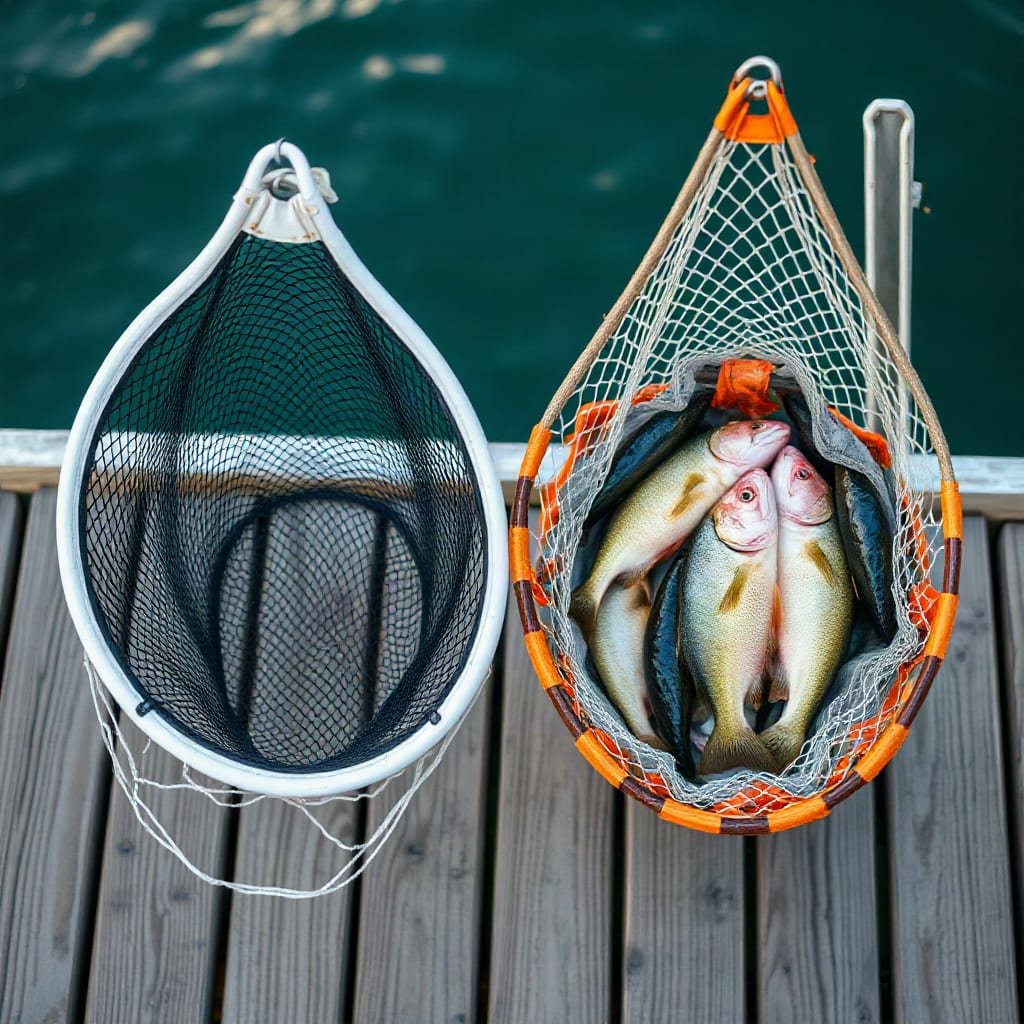
This is principle 8 of the 100 field principles in Ink & Signal, and it is stated in six words: "Let the headline select the right reader."
Read it plainly. Before your ad, email, or landing page can persuade anyone, it has to be read by someone who could buy. The headline is the only part guaranteed to be seen, so it does the sorting. It tells the right person to stop and tells the wrong person to move on, which is a service to both.
Most advice treats a headline as bait: more clicks is better. That gets the economics backwards. You pay for attention in money (ads), reputation (email), or time (content). Attention from people who will never buy is a cost, not a win.
A headline that turns away 90 percent of readers and converts the other 10 percent beats one that holds everyone and converts none.
Why a Narrow Headline Beats a Broad One

Broad headlines fail for three reasons.
- They speak to nobody. "Grow your business faster" fits every business, so no owner feels addressed. A person only stops for a message that seems written for their situation.
- They collect the wrong crowd. Curiosity headlines pull in the idly curious. They click, skim, and leave, and your analytics reward you for it.
- They blur the offer. If the headline attracts anyone, the page has to serve everyone, and a page that serves everyone persuades no one.
The classic direct-response writers understood this. In the spirit of Claude Hopkins in Scientific Advertising, an ad is salesmanship, and a salesman who stops every passerby is wasting the day. In the spirit of David Ogilvy, a headline's first duty is to hail the people you want. Neither idea is new. It keeps getting forgotten because click counts are easy to read and sales are not.
How to Write Headlines That Attract the Right Customers

A selector can be built from four materials. Use at least one in every headline.
Name the Reader
Call out who it is for: "For freelance designers who hate chasing invoices." Direct address is the strongest filter there is. The right reader feels spotted.
Name the Problem in Their Words
Use the phrase your customer would type or say aloud, not your internal label. The best raw material is their own language, which is why voice of customer copywriting comes before headline writing, not after.
Name the Situation
Context selects as well as identity does: "Just inherited a rental property and no idea what you owe?" The person in that spot knows it instantly.
Name a Qualifier or Price
A number or condition screens by budget and fit: "Accounting software for teams under 10 people." The "under 10" repels the enterprise buyer you cannot serve. Specifics also build trust, as covered in specificity in copywriting.
A Worked Example: Same Product, Two Headlines
Take a small SaaS company selling scheduling software. Here are two versions of the same landing page headline, shown as a hypothetical to illustrate the principle.
| Headline A | Headline B | |
|---|---|---|
| Text | "Scheduling made simple" | "Stop losing no-show appointments: scheduling for solo dental and physio clinics" |
| Who it selects | Anyone who schedules anything | Solo clinic owners with a no-show problem |
| Likely clicks | High, mixed audience | Lower, concentrated audience |
| Page it needs | Generic, tries to serve all | Specific: reminders, deposits, clinic workflows |
| What you should measure | Cost per click | Cost per booked demo |
Headline A will win on click-through rate and probably lose on revenue per visitor. Headline B gives up volume and gains fit. Everything that follows (the subhead, the proof, the call to action) can then speak to one person.
My pick is Headline B every time, even before testing. If B loses on a proper test of cost per qualified lead, you have learned something real, and you can test the claim rather than guess.
Measure the headline by cost per qualified lead, not cost per click. A 0.5 percent click rate that books demos beats a 5 percent rate that books none.
The Mistake That Breaks It: Writing for Clicks, Not Buyers
The common failure is optimizing for the wrong number. A team tests five headlines, crowns the one with the highest click rate, and ships it. The winner is usually the broadest, vaguest, or most curiosity-driven line, which is exactly the one that selects worst.
Three habits cause it:
- Fear of excluding anyone. Writers worry that narrowing loses customers. It loses non-customers, and it makes the remaining ones more likely to act.
- Cleverness over clarity. A pun or riddle can charm and still fail to say who it is for.
- Selling the product instead of the destination. A headline that lists features reaches nobody in particular; one that promises an outcome reaches people who want it. See sell the outcome, not the product.
A quick test: Delete the product name and the brand from the headline. If it still tells a specific reader what problem you solve, it is selecting. If it could sit above any competitor's page, it is not.
Your Questions, Answered: Short, Funny, Resume, and Dating Headlines
How to use content to attract customers?
Let every title do the filtering. Blog posts, emails, and ads should each open with a headline that names the reader and the problem, so the people who arrive are already a fit. Content that attracts everyone builds traffic; content that attracts buyers builds a pipeline.
How can I write a catchy headline?
Catchy comes from specificity. Start with the reader and the result they want, then compress. "Fix your no-show problem in one afternoon" is catchy because it is concrete. Write twenty versions, cut the vague ones, and keep the one a stranger would recognize as theirs.
Short headlines that attract the right customers
Short works when each word carries a selector. "Invoicing for freelancers" is five words and filters well. "Better business, simplified" is four and filters nothing. Cut filler, never the reader's name.
Funny headlines that attract the right customers
Humor selects by sensibility, so it repels some people and bonds with others. Use it when your buyers share an inside joke or a shared pain, and keep the selector intact. A joke with no named reader is entertainment, not advertising.
What's a good headline for a customer service resume?
A resume headline is a filter for a recruiter, so name the role, the scale, and one result: "Customer service lead: 40-agent team, 94% satisfaction, SaaS support." Use only figures that are true and that you can back up in an interview.
What is a good introduction title for a dating site?
Same principle, different market. A title that could describe anyone attracts everyone and connects with no one. Name something particular: "Sunday-market regular who will absolutely judge your coffee order." The right person replies; the wrong ones scroll on, which is the point.
A Checklist to Apply This Week
- Pick one live headline (an ad, email subject, or landing page) and write who it is for in one sentence.
- Check that the headline says it. If the named reader is not in the words, rewrite until they are.
- Swap in customer language. Replace your jargon with phrases lifted from reviews, emails, or support tickets.
- Add one qualifier. A role, a situation, a size, or a price band.
- Remove the brand name and see whether the line still stands alone.
- Change the scorecard. Track cost per qualified lead or sale, not clicks.
- Run the narrow version against the broad one, and let the numbers pick.
If you have not yet identified who is worth selecting, start with how to find a hungry market, because a headline can only select a reader you have first chosen.
Get the 100 Field Principles Behind Better Headlines
This article is one principle of a hundred. Inkandsignal packs all of them into The Direct Response Marketing Playbook, a 48-page PDF for $37 that covers 8 masters, 10 systems, 100 principles, 30 example ads, and a 30-day campaign build. If your headlines keep earning clicks that never turn into customers, the playbook gives you the checklist, the example ads to study, and a build plan to test against.
One limit: it is a short, practical PDF, so it will not write your headlines or run your tests, and your numbers will still depend on your offer and your market. A free principle card deck sample is available if you want to judge the style before you buy.
Frequently Asked Questions
What makes a headline attract the right customers?
It names a specific reader, problem, or situation so the right person recognizes themselves and the wrong person moves on. Specific words and customer language do the filtering. Breadth attracts clicks; precision attracts buyers.
Should a headline try to appeal to as many people as possible?
No. A broad headline fits nobody in particular and tends to attract browsers instead of buyers. A narrower headline lowers volume but raises the share of readers who act, which usually improves cost per sale.
How do I know if my headline is attracting the wrong customers?
Look past click rate to what happens after the click: bounce rate, demo requests, purchases, and the quality of inbound questions. If clicks are high and conversions are low, the headline is probably pulling the wrong crowd.
Are short or funny headlines ever a good idea?
Yes, when they still carry a selector. A short headline that names its reader works well, and humor works when your buyers share the joke. Both fail when brevity or cleverness replaces clarity about who the message is for.
How many headline variations should I test?
Start with a narrow version against a broad one, since that comparison teaches the most. Measure each by cost per qualified lead or sale, and add variations only when you have enough traffic to see a real difference.
Sources
- Scientific Advertising | Claude C. Hopkins (public domain text via Project Gutenberg)
- Ogilvy on Advertising | David Ogilvy, Crown Publishers
- Writing for the Web | Nielsen Norman Group
- Headline and content guidance | Content Marketing Institute
Leave a Reply